 Harp Gallery
It is always fun to enjoy the latest new and trendy things, no matter how temporary or ephemeral. But the real richness of life lies in the authentic, the enduring, the fads and fashions that evolve into “classics.”
A “classic” is hard to define, but we know it when we see it. Instinctively, we think of a “classic” as something of lasting, proven value that doesn’t go out of style, something timeless and not to be discarded tomorrow.
We recognize classic architecture, whether Georgian or Art Deco, as pleasing. Great art refers to the works of artists who have stood the test of time. “Literature is news that stays news,” said Ezra Pound. We still listen to Beethoven and the Beatles. A classic Mercedes or Corvette in beautiful condition never fails to elicit admiring smiles. “Casablanca,” “Gone with the Wind,” and “The Godfather” still draw an audience. Traditional styles of furniture from many periods are frequently copied by contemporary makers for placement in brand new settings.
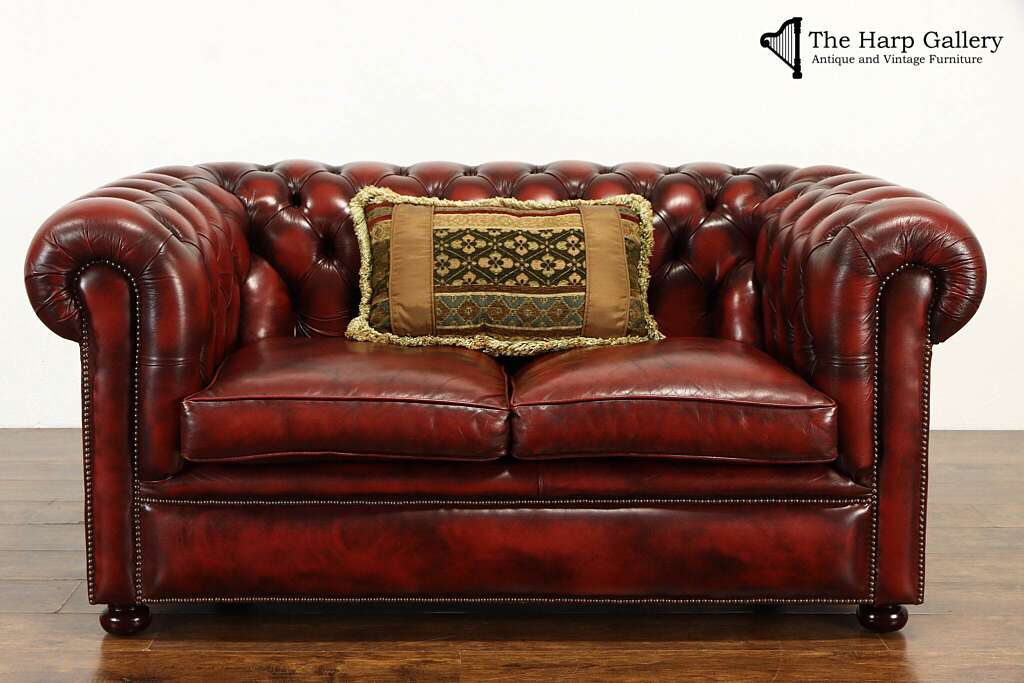
What do we mean when we say someone has “good taste?” We really are talking about having a good “eye” or a sense for classic style.
Most modern things – movies, books, cars, art, or bedroom sets – are introduced with as much hype and publicity as can be mustered. After the initial excitement, most of these novelties slip quietly from our consciousness. The height of fashion will mostly be rejected in a few months. Most modern things fail to engage the public or arouse lasting interest. As Oscar Wilde noted, “Nothing is so dangerous as being too modern. One is apt to grow old-fashioned quite suddenly.”
Contemporary fashions almost never slip directly into “classic” status, they first endure a dark period of neglect, suffering from dated styling or obsolescence. After hibernating out of the spotlight, the best of neglected slumbering styles will be rediscovered, reborn as a classic. Nostalgia doesn’t happen overnight – it takes time for a rejected style, a rare one out of many that fell from favor, to mature into a classic. The great physicist, Neils Bohr, said “It is always hard to make predictions, especially about the future.”An economist would define a classic to be something whose marketplace value is no longer depreciating, but is stable or increasing. Most antique furniture preserved for posterity has become classic. The best designs are prized – as the years go by, the furniture’s value and desirability actually climbs.
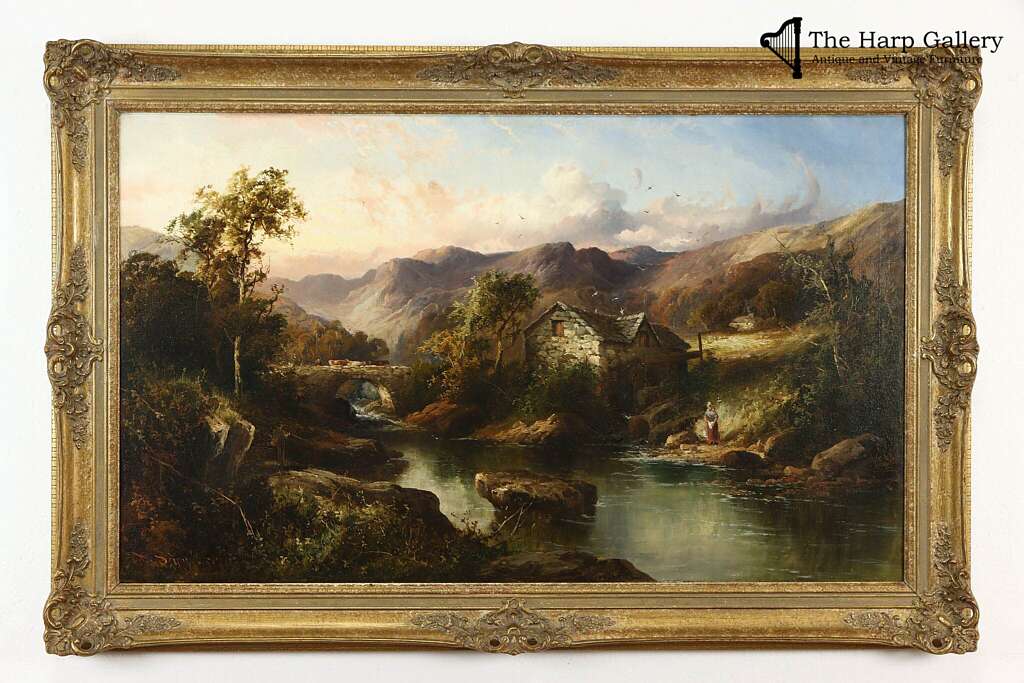
The supply of vintage furniture is fixed, every passing year a few more pieces are lost or locked up in someone else’s collection. Like land, “They ain’t makin’ any more of it.” New manufactured furniture has to include today’s expensive labor, materials, and shipping costs, giving comparable antique and vintage furniture a price advantage.
Our brand new possessions from furniture or department stores can slip out of date the very next season. The work of cutting-edge artists celebrated in New York often loses its luster in a few years. “Out of fashion” really means having lost its desirability. After a month in our homes, mass-produced furniture, pictures, lamps, china and crystal all drop in value to a tiny fraction of what was paid for them. New furniture, even from famous makers, takes a sharp fall in value when it arrives at your door. A year may pass, and a dining set or sofa, still like new, might sell for pennies on a dollar at a moving sale or auction. Automobiles depreciate thousands of dollars on the drive home from the showroom.
Let someone else take that big depreciation loss. For your own home or office, consider survivors from the test of time – classic vintage or antique furniture. Durable and well made, antique pieces will appeal to your emotions, and outlast most of their new competition. Their style, patina and traditional workmanship will warm your home or workspace, and they will save you a bundle.