 Harp Gallery
 Many different finishes have been used to beautify and protect wood furniture through the centuries. Many historically authentic finishes were high maintenance, labor intensive, and not very durable, so the trend has been to more impervious and enduring finishes suitable for everyday living.
Simple wax finishes have been used for many years, especially on rustic or country pine furnishings because of its soft and satiny look. Wax is easily restored or brightened with a new application, damaged or dull spots are easy to blend. A disadvantage is that wax finishes can spot and stain easily from water, alcohol and cosmetics.
Oil finishes have also been used for hundreds of years. These penetrating oils are easy for amateurs to use because they are simply wiped or brushed onto the wood, allowed to sink in, and wiped dry. This process is repeated many times, until the desired sheen is developed. A disadvantage is that the finish may gradually dry out, requiring repeated applications, sometimes for years to maintain an even sheen. While not particularly durable, if there is damage, it is simple to add more oil and it blends in nicely.
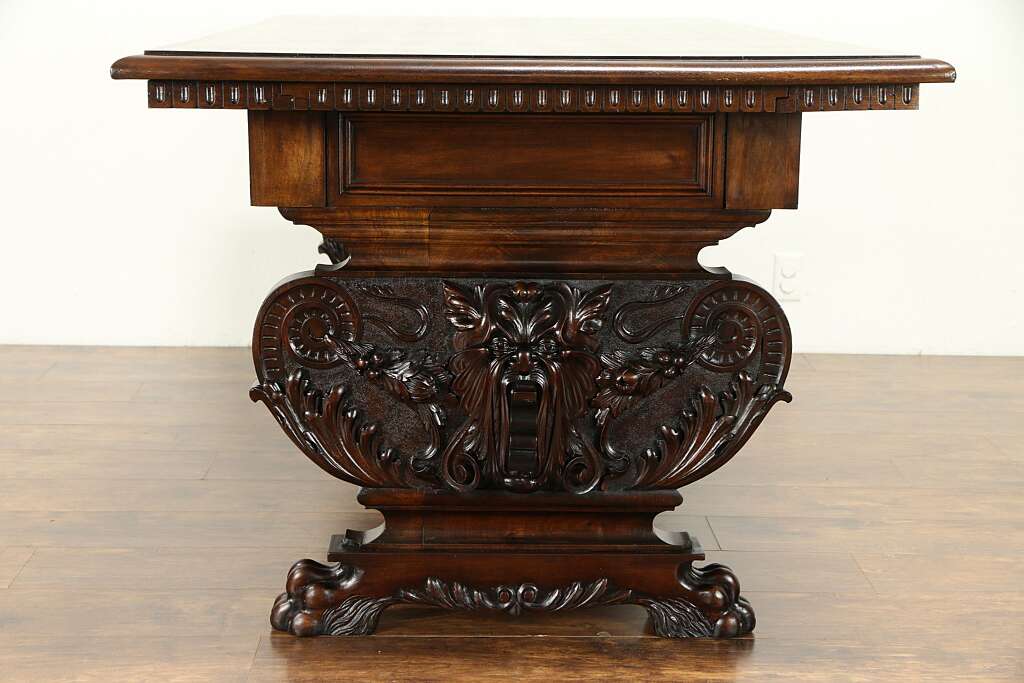
Natural shellac was a very popular finish for furniture and floors a century ago. It affords warm color, but has very poor wearability and is easily damaged by both water and alcohol. Shellacked floors were usually redone annually. Similarly, French polish is a very laborious traditional technique that is very bright and glossy, and dramatically emphasizes the rich color and grain of beautiful wood. Especially popular in Europe, this finish is very sensitive to damage, costly to apply originally and to repair.
True natural varnish is rarely used anymore. While durable and attractive, it required very skilled application, many slow-drying coats and lots of surface preparation.
Traditional lacquer finishes have been popular for 100 years – they have good stain resistance, wear well and can be re-touched or re-coated fairly easily. Hard and fairly brittle, they can chip and crack, and sometimes get crazed or crackled – “alligatored” – over time. Strong and dangerous solvents are used in classic lacquer.
Most newly manufactured furniture has a single coat of plastic-type finish, usually polyurethane or polyester. While very tough and resistant to scratching and stains, the single layer of tinted finish means that a small scratch or ding may go through the finish to the wood underneath, exposing a different color. These finishes are very difficult to touch up, re-coat or remove for refinishing. The great advantages of this technique are time and labor savings for manufacturers. Many of these finishes are quick-cured with ultra-violet light, and some are water rather than solvent based. An esthetic disadvantage is a rather “plastic” look and feel.
A recent method of protecting furniture is water based lacquer, developed and perfected over recent decades in response to environmental and worker safety issues. Combining both water and alcohol resistance, these finishes have a more traditional varnished look, not so “plastic-like.” They are not as hard and brittle as some other finishes, and can be more easily touched up and re-coated when worn or damaged. Much less hazardous to work with, they are a good middle ground in appearance, durability, and restorability. Much as water base paint has all but replaced oil paint, these water – borne wood finishes are gaining on solvent – based finish.
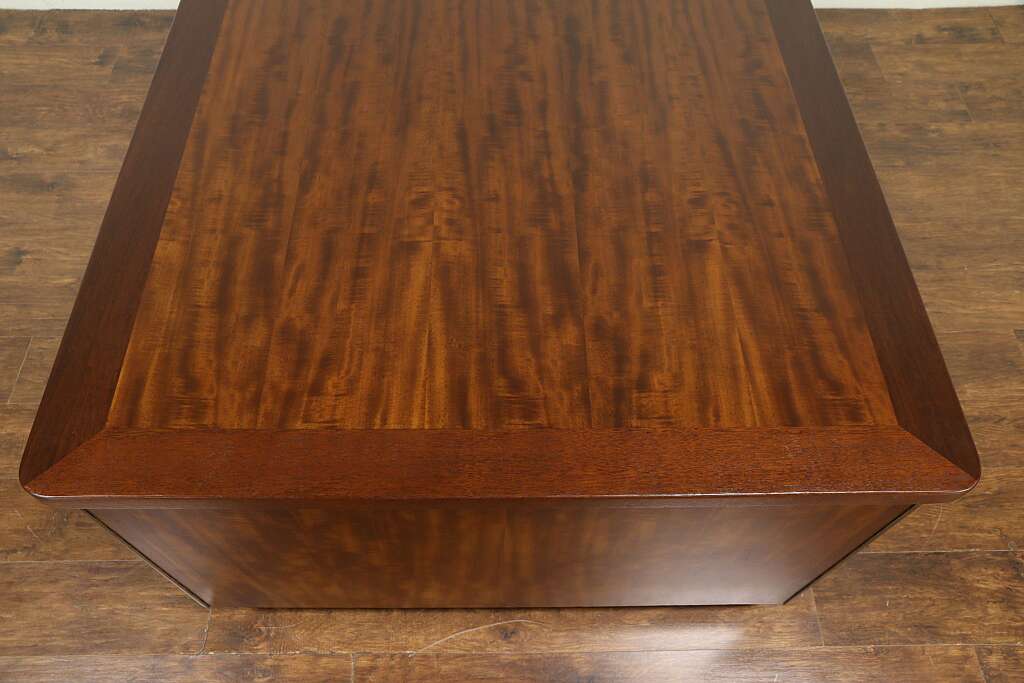
These new water-based methods can incorporate traditional techniques of applying a base coat of stain, topped with repeated coats of clear finish, hand-sanded between every coating. While involving more labor than most manufacturers are willing to do, this step-by-step finish insures that minor damage to the finish doesn’t go deep into the color or the wood, which means it shows less. Touch-up or repairs to the finish or recoating in the future are relatively simple. Environmental and worker safety issues suggest that water-base finishes have an expanding future.
As far as maintenance is concerned, wax finishes are best polished with a dry cloth or a little additional wax. For the other finishes that have a hard surface, a little lemon oil, preferably with beeswax, will brighten and deepen the color. Research has shown that too frequent use of lemon oil will soften hard finishes, but in moderation, this is a great polish.
Paste wax has been a traditional furniture polish. Besides requiring much elbow grease, wax will turn white from something hot or wet. Spray commercial polishes (Pledge, Endust and the like) can cause a smeary silicone build-up that can be very hard to remove. They also make any kind of touch-up or refinishing problematic. “Oil and stain” polishes like Old English are temporary scratch covers. A much better idea is to use the marker type of scratch covers that come in all shades of wood finishes and easily help hide minor mars. These are available at most paint and hardware stores. Following with a lemon oil and beeswax polish will improve any dry or worn finish.
No single finish method is right for every piece of furniture, but considerations of cost, durability and beauty are all factors in the choice of preserving and enhancing antique wood furnishings for the future.