 Harp Gallery
 Walk into any high-end design showroom right now and you’ll spot it. Scroll through Instagram’s
interior design corner and it’s everywhere. Murano glass is having a serious moment, and it’s
not hard to understand why.
Bottega Veneta just featured translucent Murano blown-glass stools throughout their Summer
2026 runway show in Milan, setting the scenery with bespoke colorways that mimicked sea
waves (designboom). When luxury fashion houses are building entire collections around your
craft, you’ve officially arrived. Interior designers are increasingly incorporating Murano
chandeliers and lighting fixtures into their projects, signaling a major shift back toward artisanal
luxury (Livingetc).
But here’s what most people don’t realize: Murano glass isn’t just trendy. It’s one of the most
sophisticated art forms in existence, and genuine pieces can appreciate significantly over time.
The Secret That Makes Murano Irreplaceable
In 1291, the Venetian Republic ordered all glassmakers to relocate their furnaces to the small
island of Murano. The official reason? Fire prevention in wooden Venice. The real reason? To
protect the most valuable trade secrets in Europe.
For the next 700 years, those secrets stayed on that island. Glassmakers who tried to leave
faced severe consequences. Their families were held as collateral. The techniques they
developed became so precious that master artisans spent 20 to 30 years perfecting their craft
before creating their first significant pieces.
That tradition hasn’t changed. Every authentic Murano piece is still handmade by artisans using
techniques passed down through generations. No two pieces are identical because machines
can’t replicate this level of artistry.
Why Collectors Pay Top Dollar
Murano glass commands prices that would seem absurd for “just glass” if you didn’t understand
what goes into it. Here’s what you’re actually paying for.
The techniques themselves are breathtaking. Sommerso creates layers of contrasting colored
glass that appear to float within each other without mixing. Millefiori arranges tiny cross-sections
of multicolored glass canes into intricate floral patterns that look like a thousand flowers
blooming. Filigrana embeds delicate glass threads into clear glass to create lace-like patterns
that seem impossible to achieve by hand.
Each technique requires perfect timing, extraordinary breath control, and decades of
experience. Masters work with molten glass heated to 1,500 degrees Celsius, shaping it with
basic tools and their own skill. One mistake and the entire piece is ruined.
Many Murano artisans incorporate 24-karat gold or sterling silver directly into the glass, creating
pieces that literally shimmer with precious metals (Glass of Venice). The materials alone drive
up costs before you even factor in the artistry.
The result? Pieces signed by renowned masters like Archimede Seguso command tens of
thousands of dollars at auction. Works from prestigious furnaces like Venini, Barovier & Toso,
and Seguso are considered museum-quality art (Your Murano).
The Investment Argument
Unlike most decorative objects that depreciate the moment you bring them home, authentic
Murano glass typically appreciates over time. Vintage pieces from the 1950s and 1960s are
particularly valuable because that era combined traditional techniques with bold modernist
designs.
The math is simple: fewer qualified artisans each year, increasing demand from collectors
worldwide, and pieces that literally cannot be mass-produced. Scarcity plus artistry equals value
that grows.
But there’s a massive caveat. Imitation works from Asia and Eastern Europe now represent an
estimated 40-45% of the market for Murano glass, contributing to a concerning decline in
professional glassmakers (Mearto). If you’re buying Murano glass, authentication matters
enormously.
How To Tell The Real From The Fake
Authentic Murano pieces carry the Vetro Artistico Murano trademark when possible. Look for
slight irregularities, tiny bubbles, asymmetry. These aren’t flaws—they’re proof of
handcraftsmanship. If a piece looks too perfect or you spot identical patterns across multiple
items, walk away.
Buy from certified shops, factory stores, or established dealers who can provide certificates of
authenticity. For significant purchases, verify the maker’s signature and research their work.
Why Now?
The anti-minimalism movement has collectors craving objects with soul, history, and
craftsmanship. Murano glass delivers all three. These pieces represent centuries of tradition,
the skill of master artisans, and a connection to Venice’s storied past.
According to the Smithsonian American Art Museum, Murano craftspeople shared an ambition
to be at the very top of their field, creating pieces that showcased complexity, color variety,
lightness, and delicacy (Artnet News). That commitment to excellence is exactly what today’s
collectors want.
When you bring Murano glass into your home, you’re not just buying decoration. You’re
acquiring a piece of living history, investing in art that appreciates, and supporting one of the
last remaining traditional crafts where human skill still matters more than machinery.
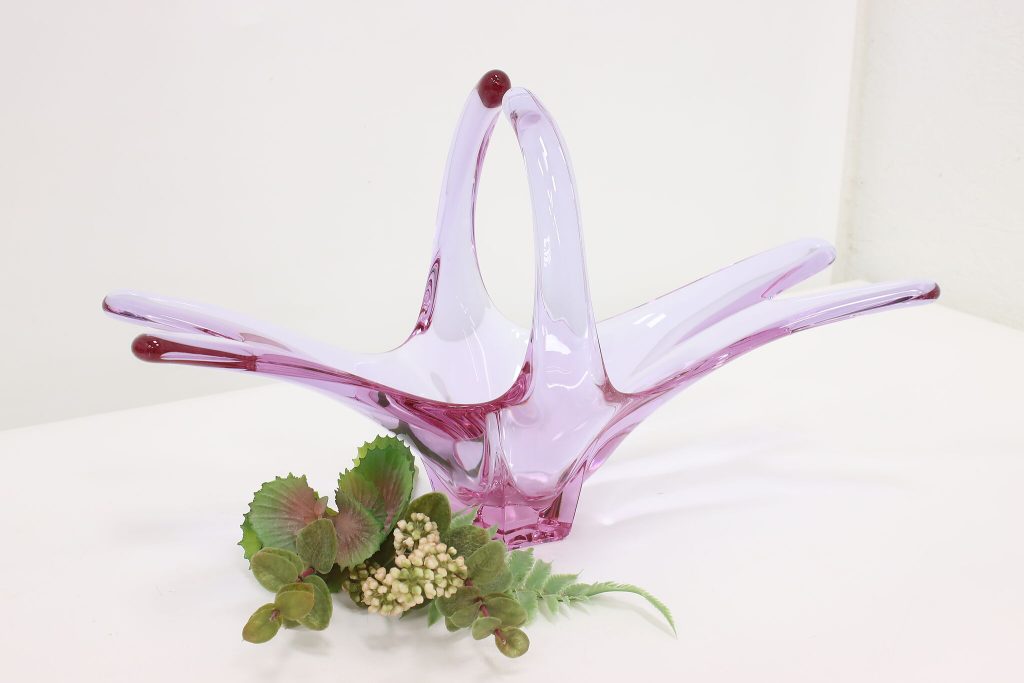
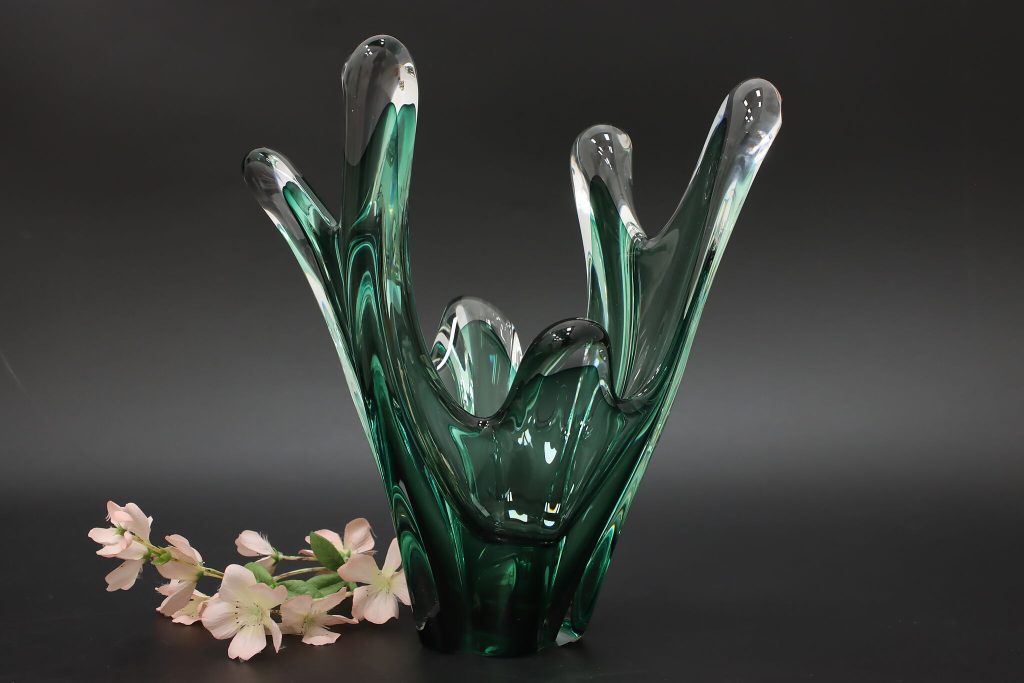
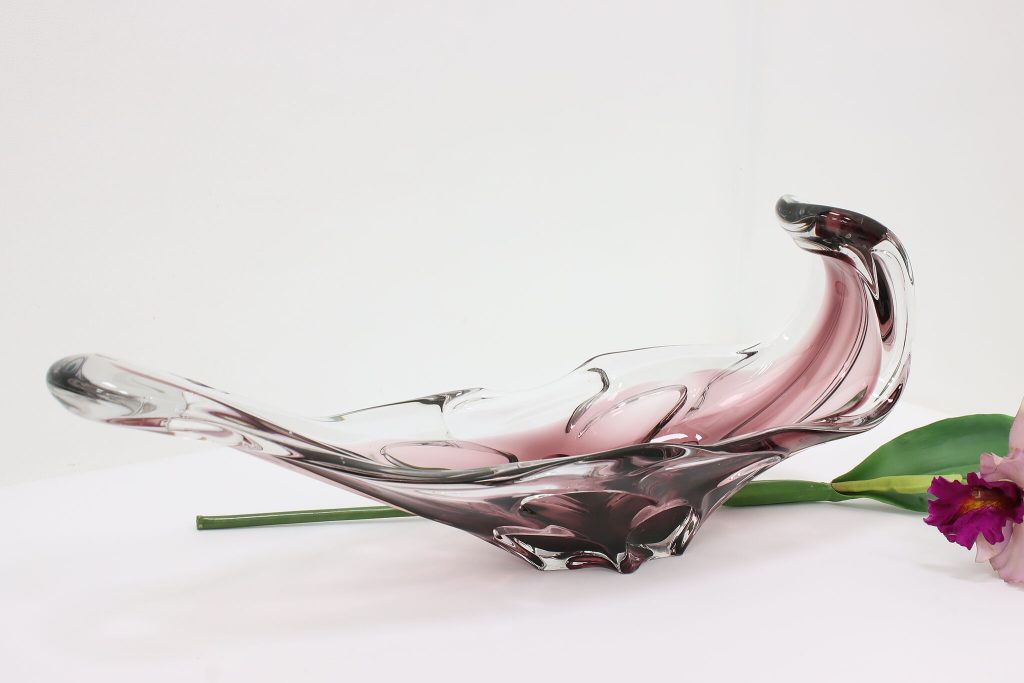
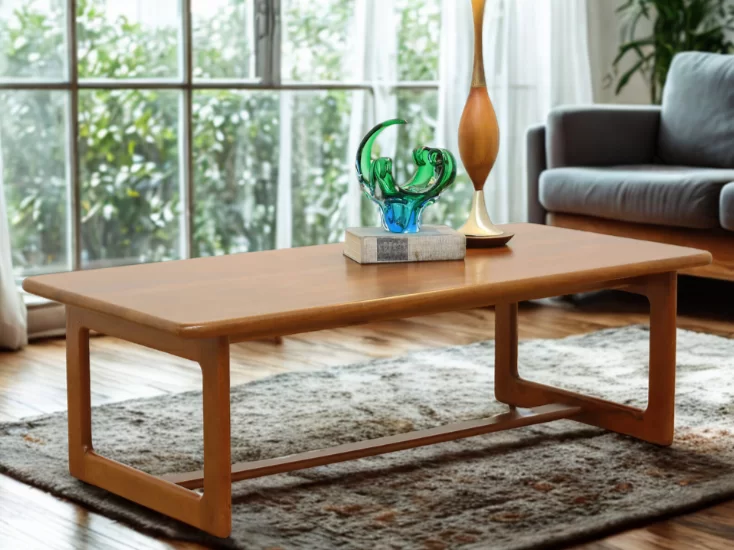
Ready to start your own collection? Browse Harp Gallery’s authenticated Murano pieces,
including a stunning 1960s green and yellow art glass vase with its characteristic ground pontil
base, a gorgeous pink and green vintage sculpture showcasing the delicate color work Murano
is famous for, and an exceptional midcentury iridescent decanter from the 1960s featuring
shades of pink, purple, and gold that demonstrate the sommerso technique. Each piece has
been professionally authenticated and represents genuine Venetian craftsmanship.