 Harp Gallery
 Around the turn of the twentieth century, a dramatic shift began to appear in furniture workshops, artist studios, and architecture across Europe. After decades of heavy Victorian revival styles—furniture inspired by Renaissance, Gothic, and Rococo forms—designers began searching for something entirely new. The result was Art Nouveau, a movement that reshaped furniture design by drawing inspiration not from the past, but from the living world.
Today, Art Nouveau furniture remains one of the most recognizable and collectible antique styles, admired for its flowing lines, artistic carving, and natural motifs. For collectors, designers, and antique enthusiasts, understanding the Art Nouveau era offers a fascinating glimpse into a moment when craftsmanship, nature, and modern design first came together.
What Is Art Nouveau Furniture?
Art Nouveau furniture refers to a design style popular from approximately 1890 to 1910, characterized by flowing organic lines, botanical motifs, and artistic craftsmanship. The name comes from the French phrase meaning “New Art,” reflecting the movement’s desire to break away from historic revival styles that dominated the nineteenth century.
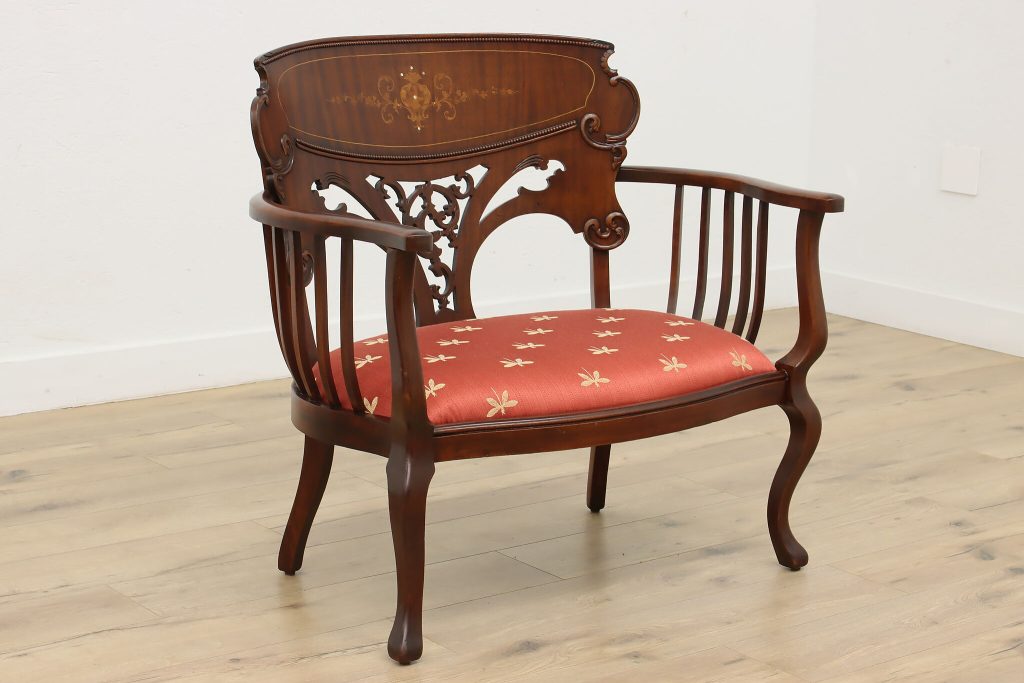
Unlike earlier furniture traditions that copied historical European designs, Art Nouveau designers looked to plants, flowers, vines, insects, and the natural world for inspiration. Furniture makers translated these shapes into carved wood, curved silhouettes, and decorative inlays that gave the pieces a sense of motion and life.
Collectors often recognize Art Nouveau furniture by its distinctive “whiplash curve,” a sweeping S-shaped line that resembles a vine or plant stem. These elegant curves appear in chair backs, cabinet doors, and carved panels throughout the period.
For a visual look at how these organic lines shaped the movement, design enthusiasts often collect examples and historic imagery on sites like Pinterest:
https://www.pinterest.com/search/pins/?q=art%20nouveau%20furniture
The Origins of the Art Nouveau Movement
Art Nouveau emerged during a time of rapid industrialization. Mass production was becoming common, and many artists worried that traditional craftsmanship would disappear.
In response, designers across Europe began promoting a philosophy that art should be part of everyday life, not limited to paintings or sculpture. Furniture, lighting, glass, architecture, and textiles could all become artistic expressions.
The movement appeared under different names depending on the country:
In France and Belgium it was called Art Nouveau.
In Germany it was known as Jugendstil.
In Austria the movement became the Vienna Secession style.
In Italy it was often referred to as Stile Liberty.
Despite regional differences, these designers shared a common goal: creating furniture that felt modern, artistic, and connected to nature.
The Metropolitan Museum of Art provides an excellent overview of the movement and its influence on decorative arts:
https://www.metmuseum.org/toah/hd/artn/hd_artn.htm
Nature as the Blueprint for Design
What makes Art Nouveau furniture so distinctive is the way it translates the shapes of nature into design.
Instead of straight lines and rigid symmetry, Art Nouveau pieces often appear almost alive. Chair backs curve like plant stems. Cabinet carvings resemble twisting vines or blooming flowers. Bronze mounts may depict dragonflies, leaves, or water lilies.
Furniture makers of the era were not simply decorating their work—they were sculpting furniture as a form of art.
Oak and walnut were popular woods during this period because their grain and strength allowed artisans to carve flowing patterns and botanical details directly into the surface. These carvings often wrapped across the furniture like growing plants, creating pieces that feel dynamic rather than static.
Many antique collectors today still discuss and identify these nature-inspired details when evaluating pieces from the era. Conversations among collectors and enthusiasts can often be found in antique communities such as:
https://www.reddit.com/r/Antiques/
Art Nouveau Furniture in the Home
Art Nouveau furniture was designed to transform everyday spaces into artistic environments.
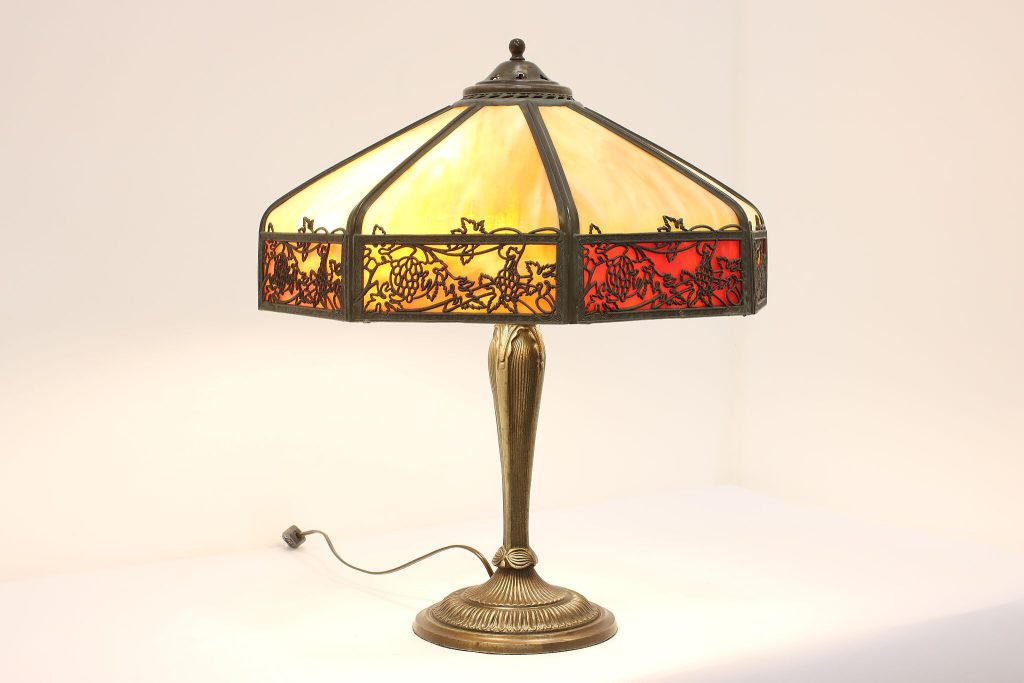
Instead of isolated pieces, designers often imagined entire interiors working together—furniture, lighting, glass, and architectural details all flowing with the same organic rhythm. Cabinet doors might mirror the curves of a staircase railing, while carved panels echoed the shapes of floral wallpaper or stained glass.
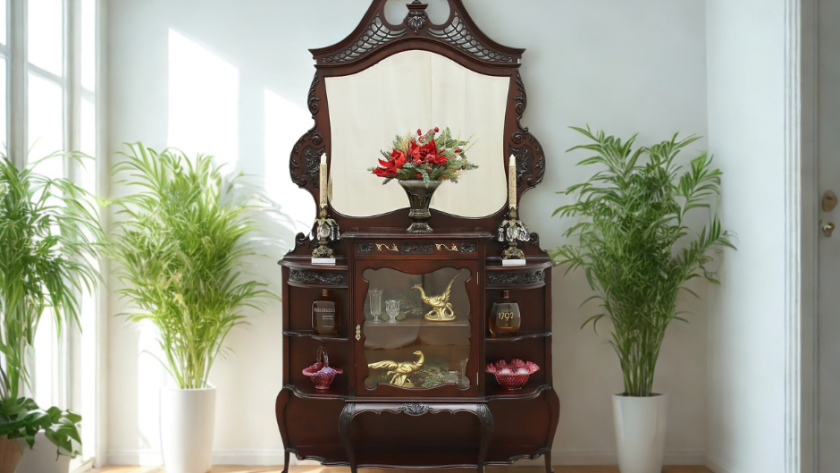
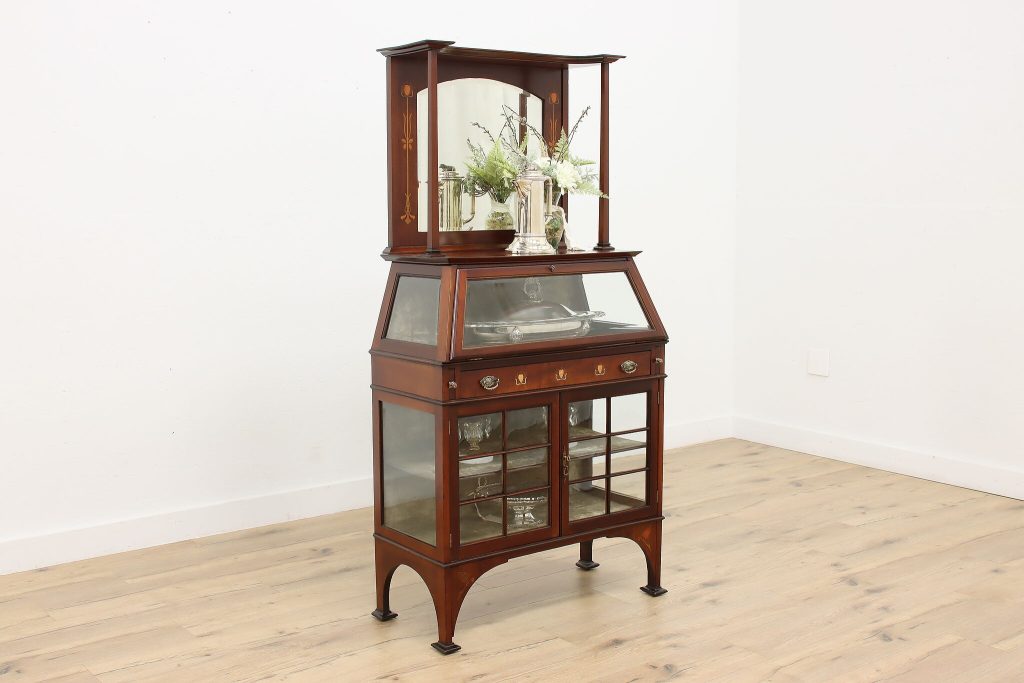
Many of these pieces were created as functional works of art, blending practicality with visual beauty.Cabinets, display furniture, and sideboards from the period frequently showcase these flowing carved details. Pieces similar to these elegant storage forms can be found among antique cabinets and display furniture collections:
https://www.harpgallery.com/shop/category/cabinets/
The Craftsmanship Behind Art Nouveau Antiques
One of the reasons Art Nouveau furniture remains so desirable today is the level of craftsmanship involved.
Unlike many later twentieth-century designs that relied heavily on factory production, Art Nouveau pieces often required skilled hand carving and detailed woodworking techniques. Furniture makers needed to carefully shape curved elements, carve botanical motifs, and integrate decorative metalwork or inlays.
This attention to artistry helped elevate furniture beyond simple utility.
Many pieces from the era were created by master craftsmen who combined traditional woodworking skills with artistic design. The result was furniture that feels both sculptural and practical—something that still resonates strongly with collectors today.
Antique enthusiasts searching for examples of carved furniture from the late nineteenth and early twentieth centuries often explore curated antique furniture collections like those found here: https://www.harpgallery.com/shop/category/furniture/
Why Art Nouveau Is Popular Again
More than a century after the movement began, Art Nouveau furniture is experiencing renewed appreciation among collectors and interior designers.
Modern interiors often emphasize clean lines and minimal decoration, which makes the flowing forms of Art Nouveau pieces stand out dramatically. A carved cabinet or graceful Art Nouveau chair can instantly become the focal point of a room.
There is also growing interest in handcrafted objects with history and character. In an age dominated by mass-produced furniture, antiques from the Art Nouveau era offer something rare: individuality, craftsmanship, and artistic vision.
Because of this, collectors often mix Art Nouveau antiques with contemporary décor to create spaces that feel both modern and historic at the same time.
A Lasting Legacy in Design
Although the Art Nouveau movement lasted only a few decades, its influence on design was enormous. By rejecting historical imitation and embracing organic forms, Art Nouveau designers opened the door to modern design movements that followed, including Art Deco and later twentieth-century styles.
More importantly, the movement reintroduced the idea that furniture could be more than functional—it could also be beautiful, expressive, and deeply connected to the natural world.
For antique lovers and collectors, that combination of craftsmanship, artistry, and history is exactly what makes Art Nouveau furniture so captivating today.
And like all great antiques, each piece carries the quiet story of the craftsman who shaped it more than a century ago—turning wood, tools, and imagination into a lasting work of art.