 Harp Gallery
 Antique sound machines – phonographs, Victrolas, gramophones, Graphophones, and Victorian music boxes – hold a special place in the world of home décor. They draw attention the moment someone enters a room. Their charm comes not from modern technology but from the presence of wood, metal, and visible mechanics working together in a way that feels almost alive. For anyone who loves antique furniture, these pieces offer a blend of sculpture, history, and quiet nostalgia.
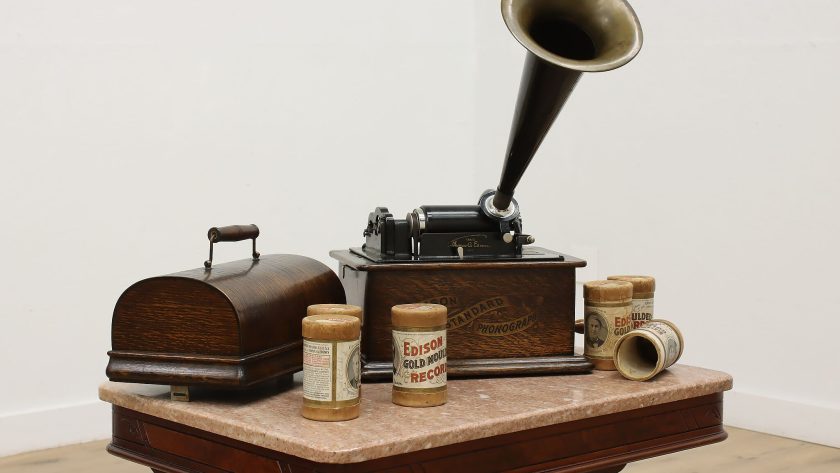
Their beauty begins with the way they were made. Early sound devices were built by cabinetmakers who approached each piece as furniture first. Oak, mahogany, walnut, and birch were shaped with care and finished by hand. Hinges, knobs, and winding keys were crafted from nickel or brass. Horns were painted, lacquered, or pinstriped to match the case. Victorian music boxes, including Regina‑style disc boxes, often opened like jewelry chests. Inside, a steel comb and a rotating disc created music through pure mechanical precision. These objects reflect the values of period craftsmanship, where every detail mattered.
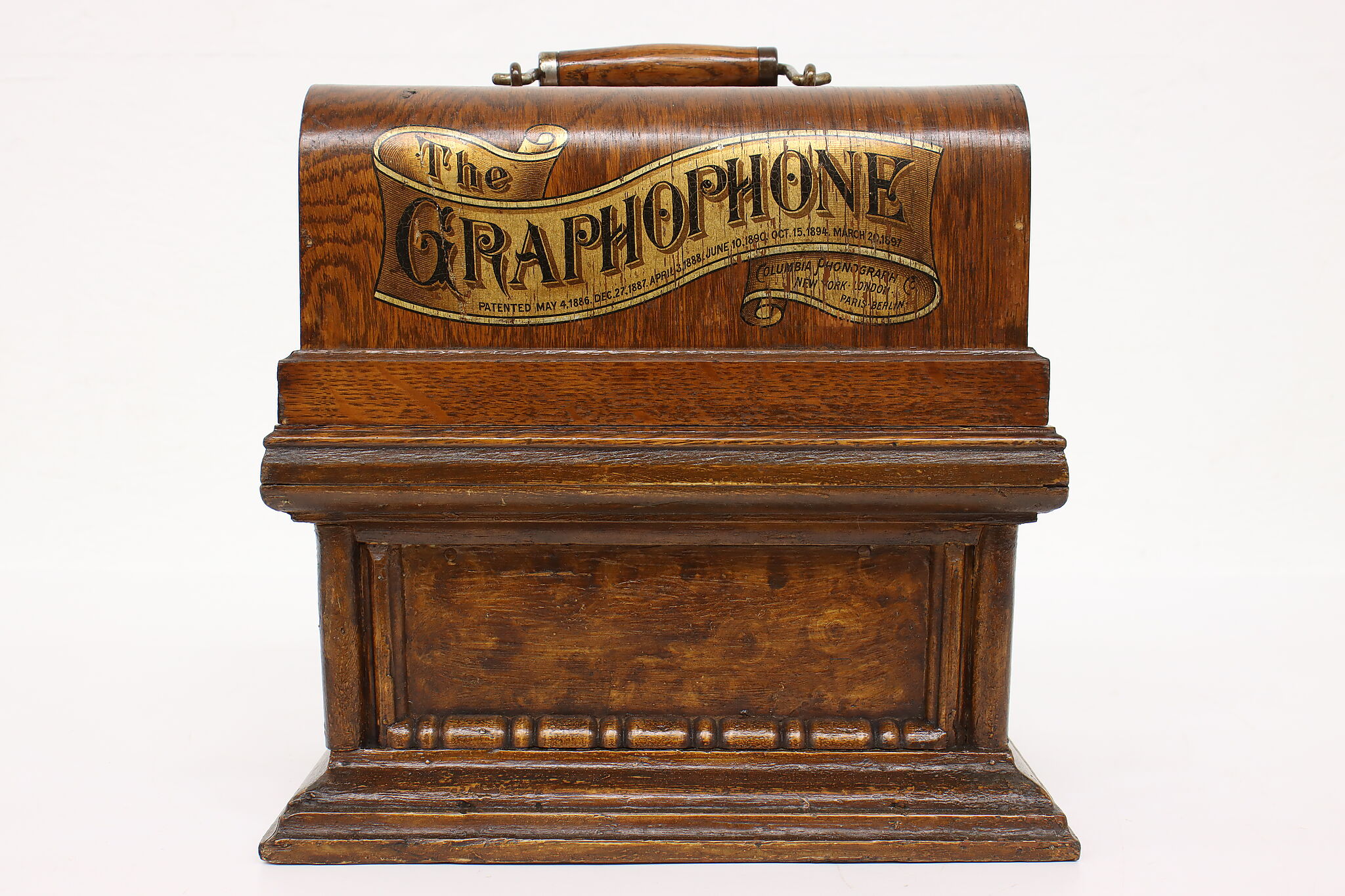
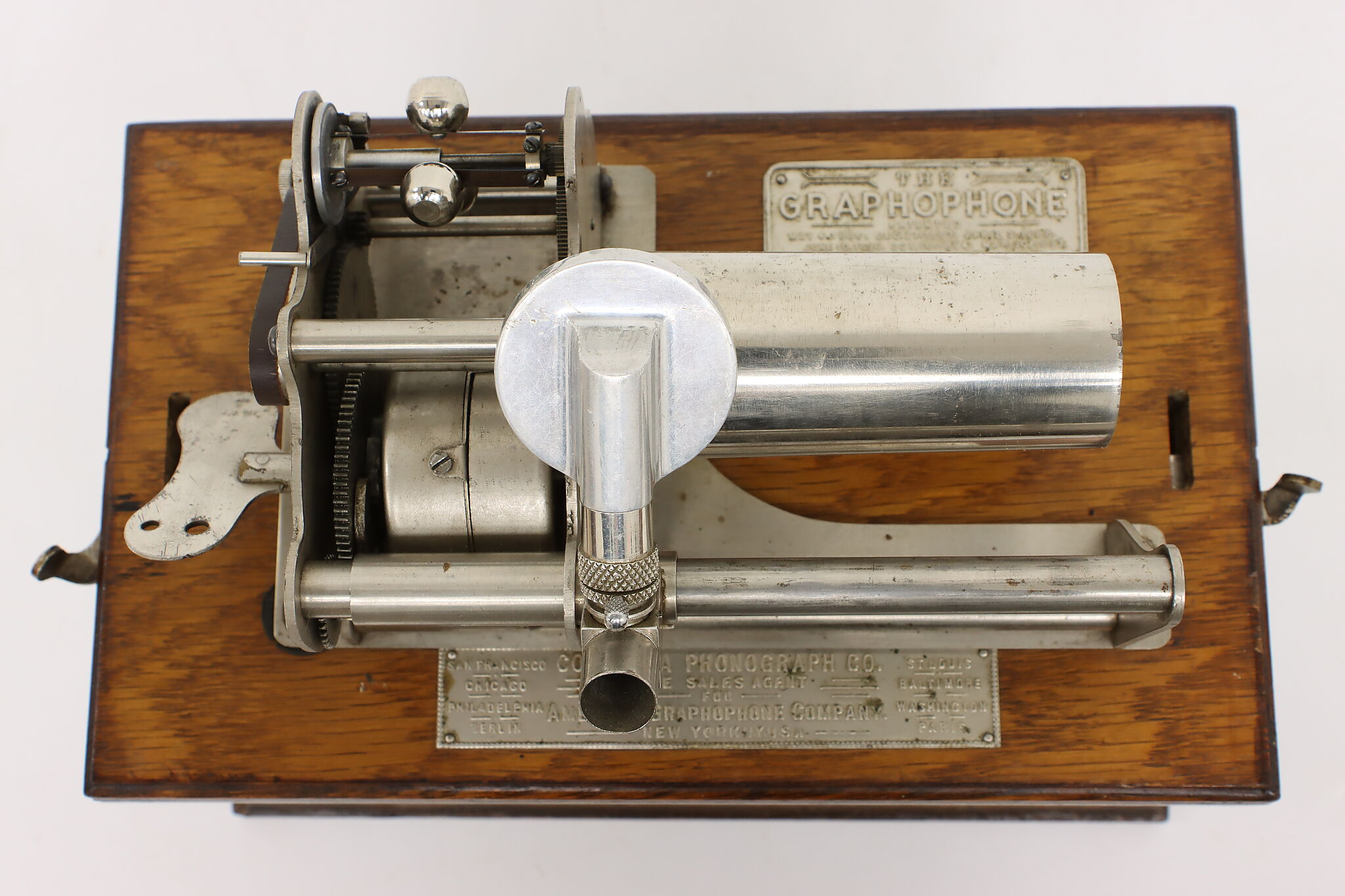
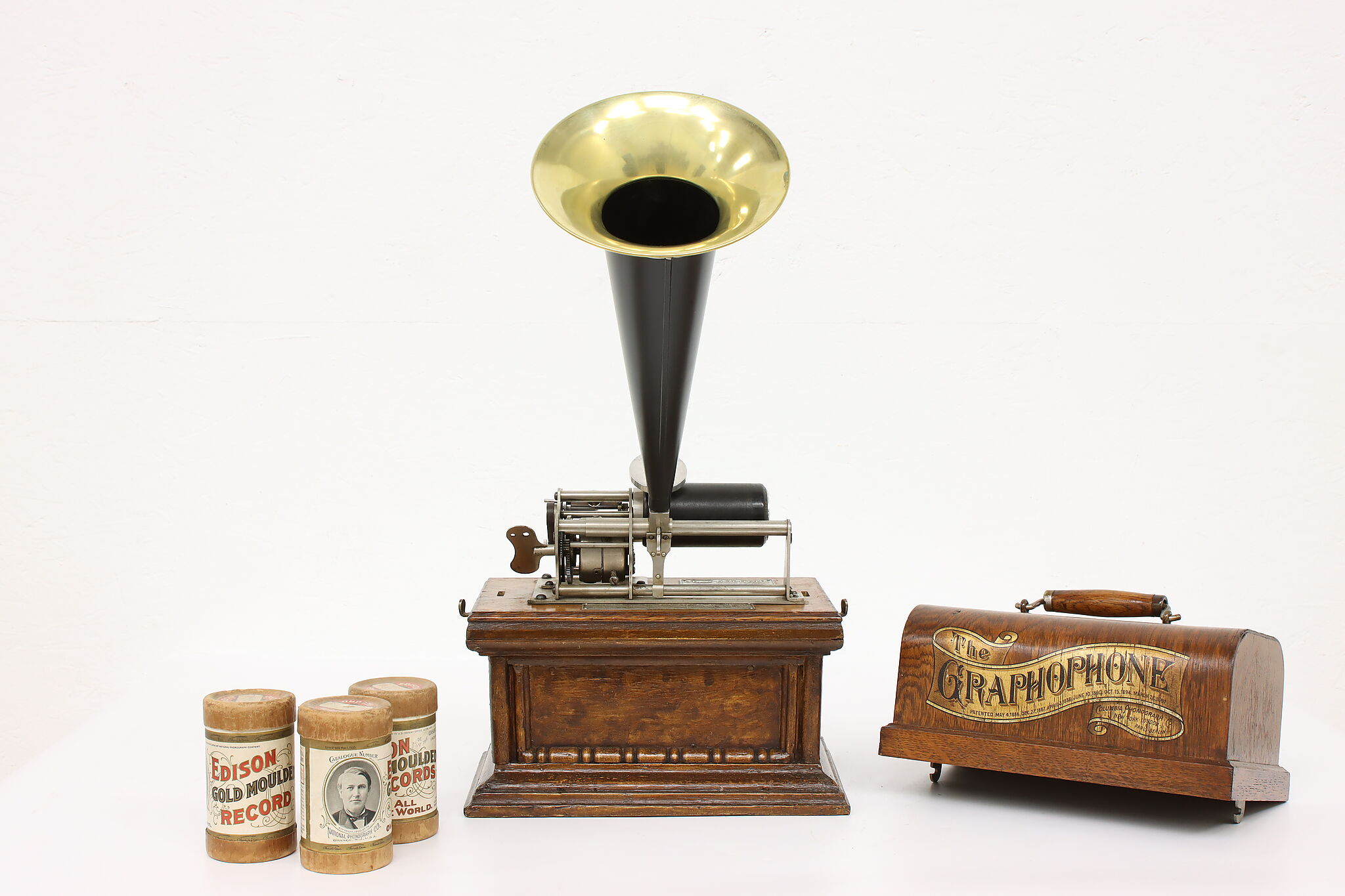
Part of their appeal lies in how openly they work. A phonograph shows its movement as the spring tightens and the governor steadies the speed. A music box reveals its melody through the turning of a cylinder or disc. Nothing is hidden. The sound comes from physical motion, not electronics. Winding a crank or lifting a lid becomes a small ritual that connects the listener to the past. This kind of engagement resonates with anyone drawn to vintage mechanical design.
These machines also carry stories from the eras that produced them. Cylinder phonographs brought recorded sound into homes for the first time. External‑horn disc players introduced the familiar flat record. Internal‑horn machines refined the experience and blended more easily into domestic spaces. Victorian music boxes offered families a way to enjoy waltzes, hymns, and popular tunes long before records were common. Later, portable players and radio‑phonograph consoles shaped the look of early modern living rooms. Each generation left behind objects that still enrich interiors today.
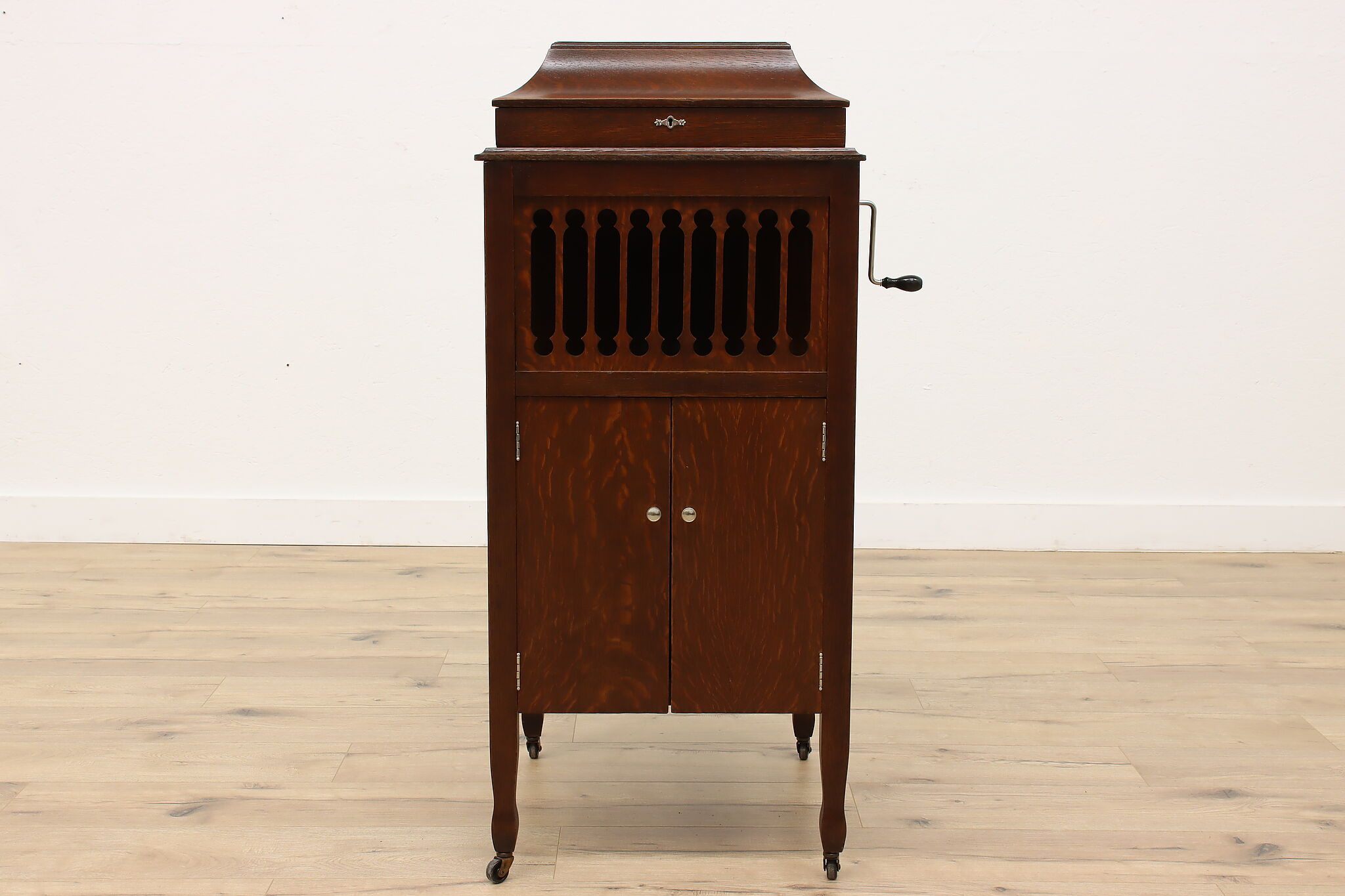
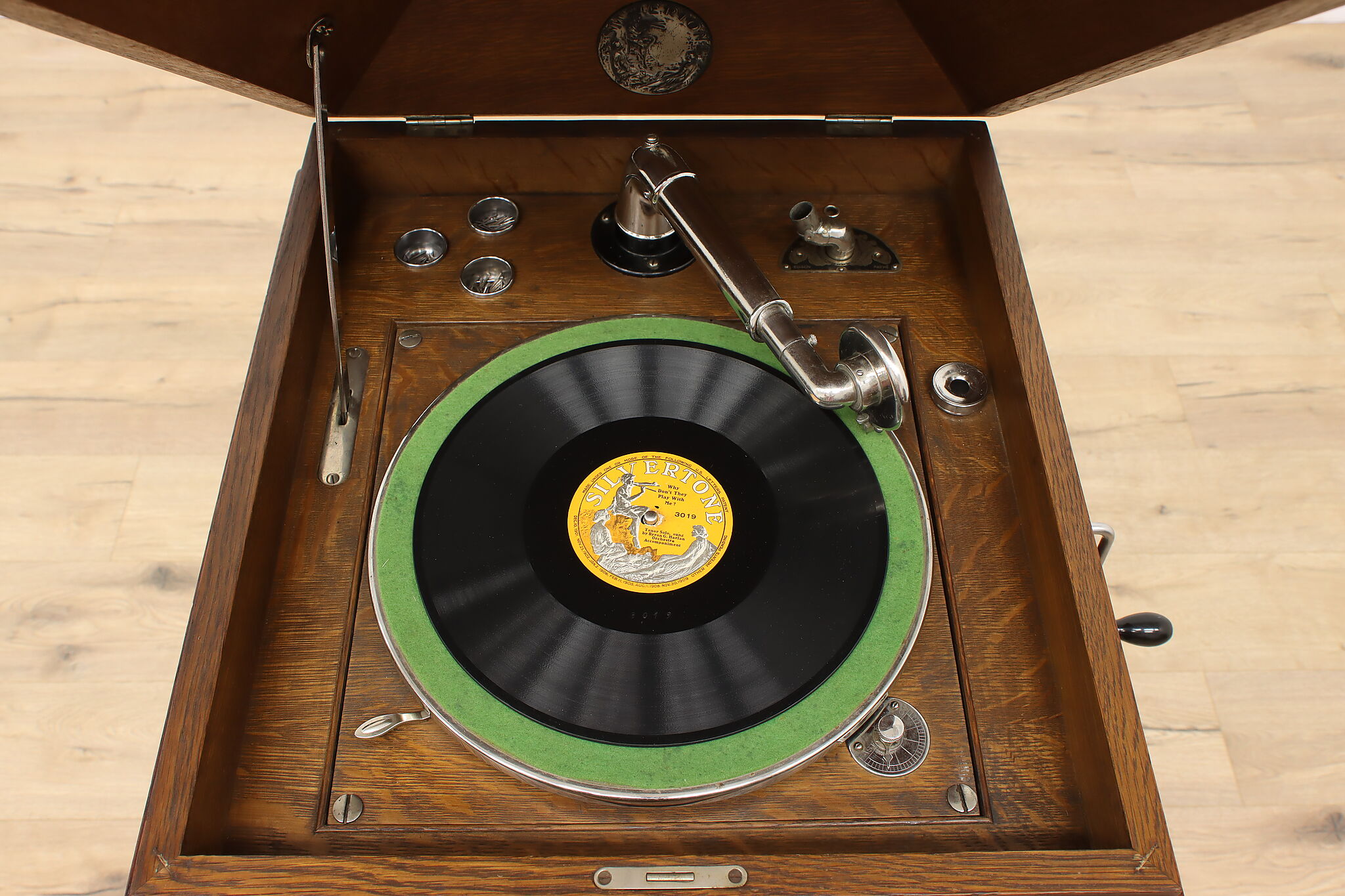
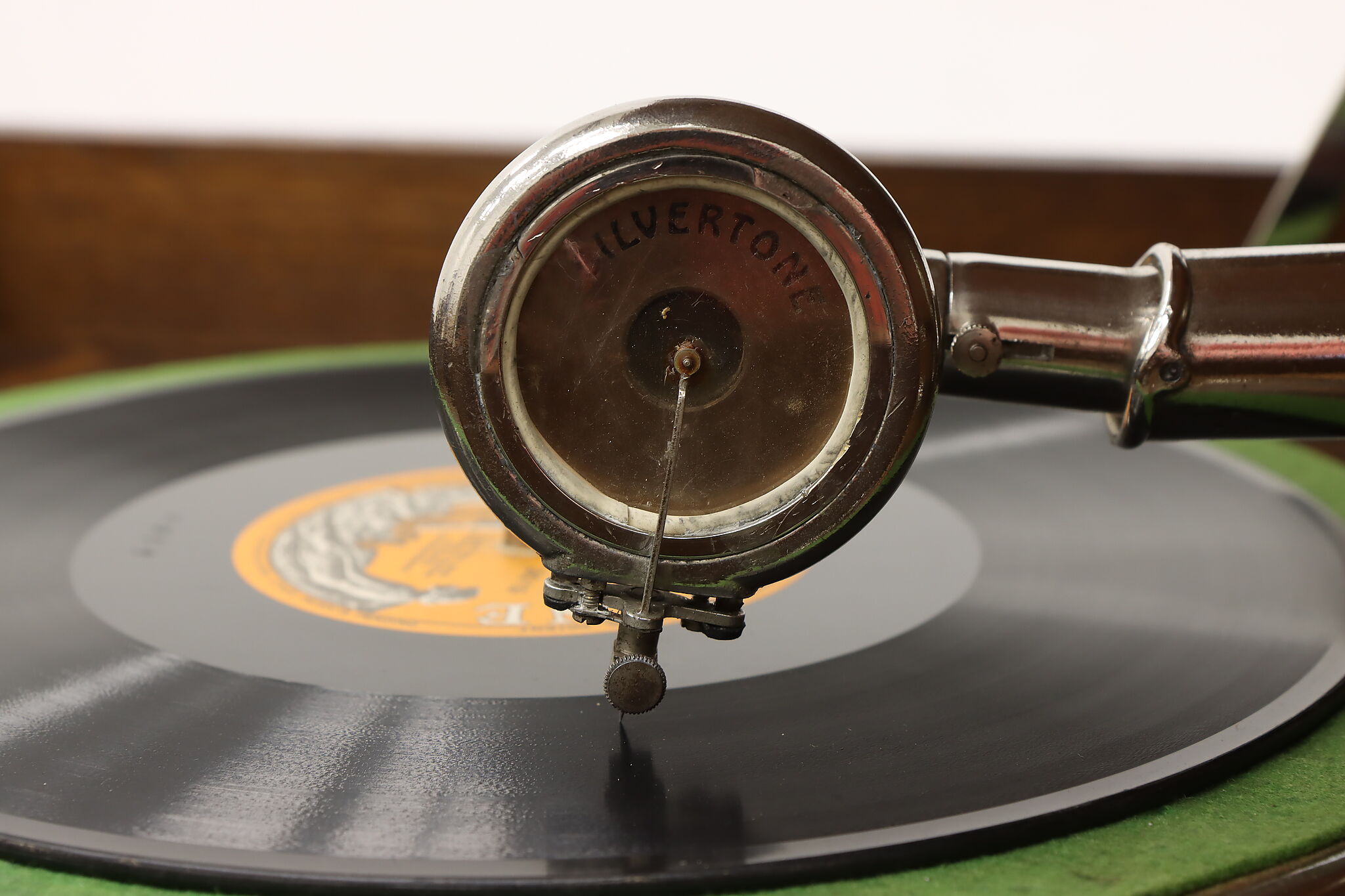
Although these pieces fit naturally into Victorian, Edwardian, Arts & Crafts, or early American rooms, they also work beautifully in modern homes. A phonograph or music box can soften the clean lines of a contemporary space. Wood adds warmth. Metal hardware adds texture. The visible mechanics introduce a sense of narrative that modern décor often lacks. In a minimalist room, a single antique sound machine becomes a focal point without overwhelming the space. It brings depth and personality while keeping the overall look calm and uncluttered.
These objects also invite interaction. Guests often pause to open a lid or examine a crank. They spark conversation and curiosity. When paired with sheet music, old records, or vintage artwork, they help create a story within the room – one that blends history with personal taste.
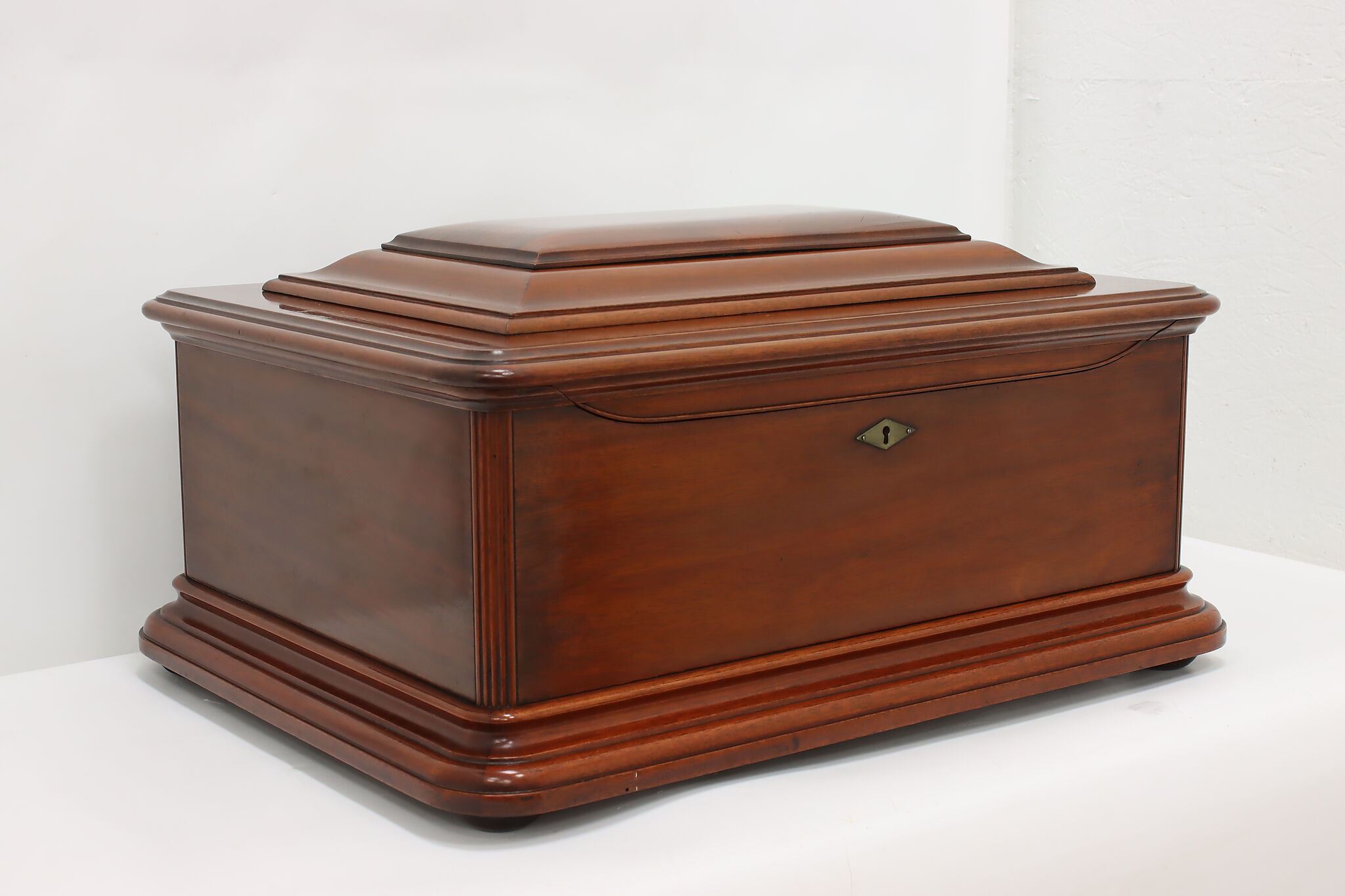
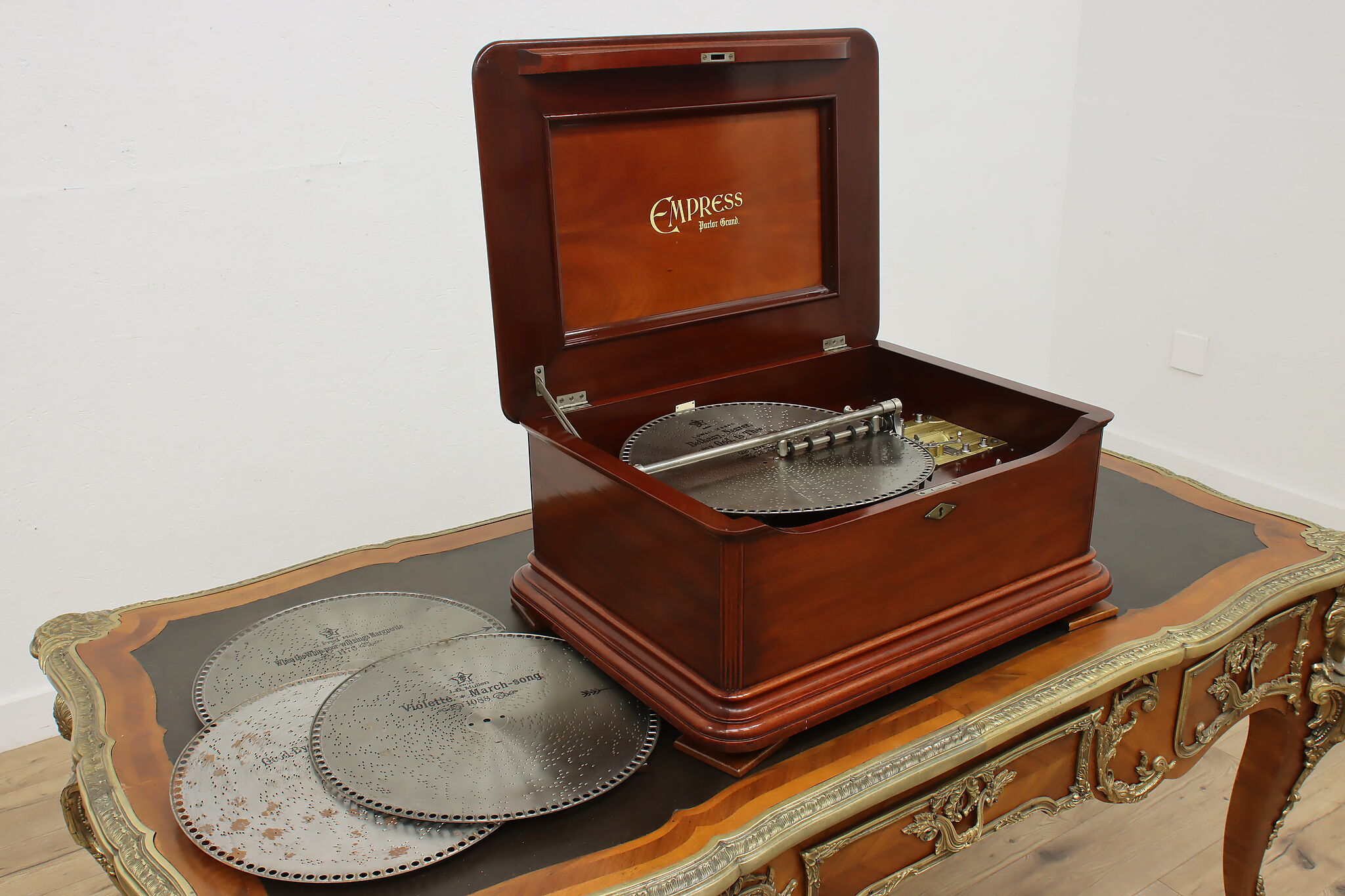
In the end, antique phonographs, Victrolas, music boxes, and early record players are more than devices. They are pieces of furniture, works of mechanical art, and reminders of how people once experienced music at home. Their presence adds authenticity and character that modern technology cannot imitate. Whether they are played, displayed, or simply appreciated, they remain some of the most engaging antiques available to collectors and decorators today.
Click here to shop antique phonographs, music boxes and record players.